



Australia doesn’t do polite weather. It does heat that sticks to you, humidity that creeps into timber, and pressure changes that turn a calm morning into a stormy afternoon without asking permission. If you want to understand Australian weather at home, you need more than a blinking screen and an app guessing what might happen next. You need a proper home weather station. One that measures what matters and keeps doing it year after year. This guide explains what the best home weather stations in Australia actually are, why analog instruments outperform digital ones, and why German-made stations from Fischer and Barigo continue to be the gold standard.
Quick Navigation
- Home Weather Station
- The Best Home Weather Station
- Temperature Gauges for the Home
- Weather Gauges for the Home
- Home Barometer Weather Stations
- Analog Home Weather Stations
- The Problem with Digital Home Weather Stations
- Indoor Weather Stations
- Outdoor Weather Station
- What Is the Best Type of Weather Station for Home Use?
Home Weather Station
A home weather station is designed to measure the environmental conditions that actually affect how your home feels and how the weather behaves around you. At its core, that means three things:
- Temperature
- Humidity
- Air pressure (barometric pressure)
When these three are measured together, you stop guessing. You start understanding patterns, comfort levels, and what the weather is about to do next. That is where a proper home weather station earns its place on the wall.

The Best Home Weather Station
The best home weather station in Australia is not the one with the most features. It is the one that works reliably in Australian conditions. A genuinely good home weather station:
- Measures temperature, humidity, and air pressure together
- Shows trends, not just numbers
- Does not rely on Wi-Fi or software updates
- Continues working during power outages
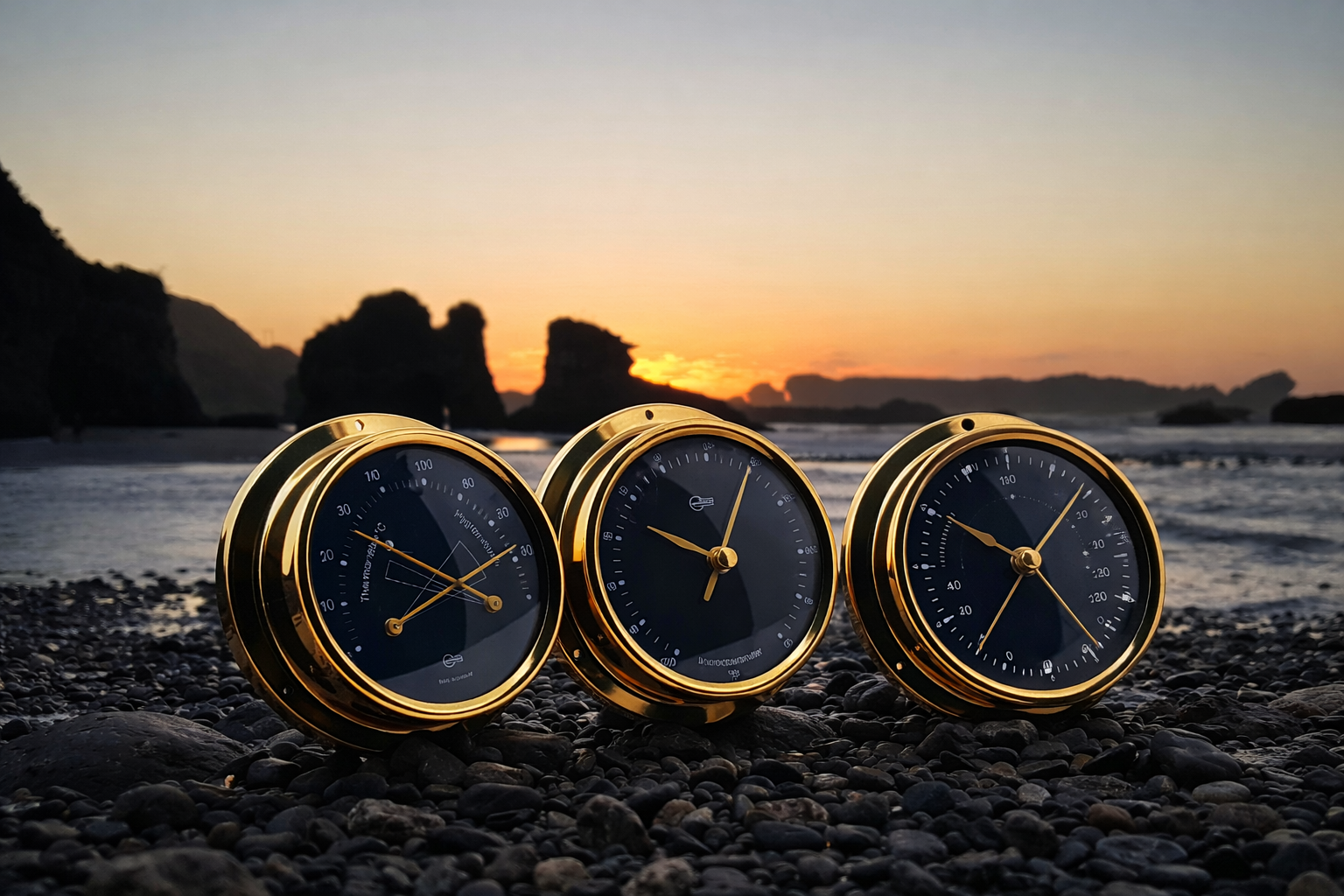
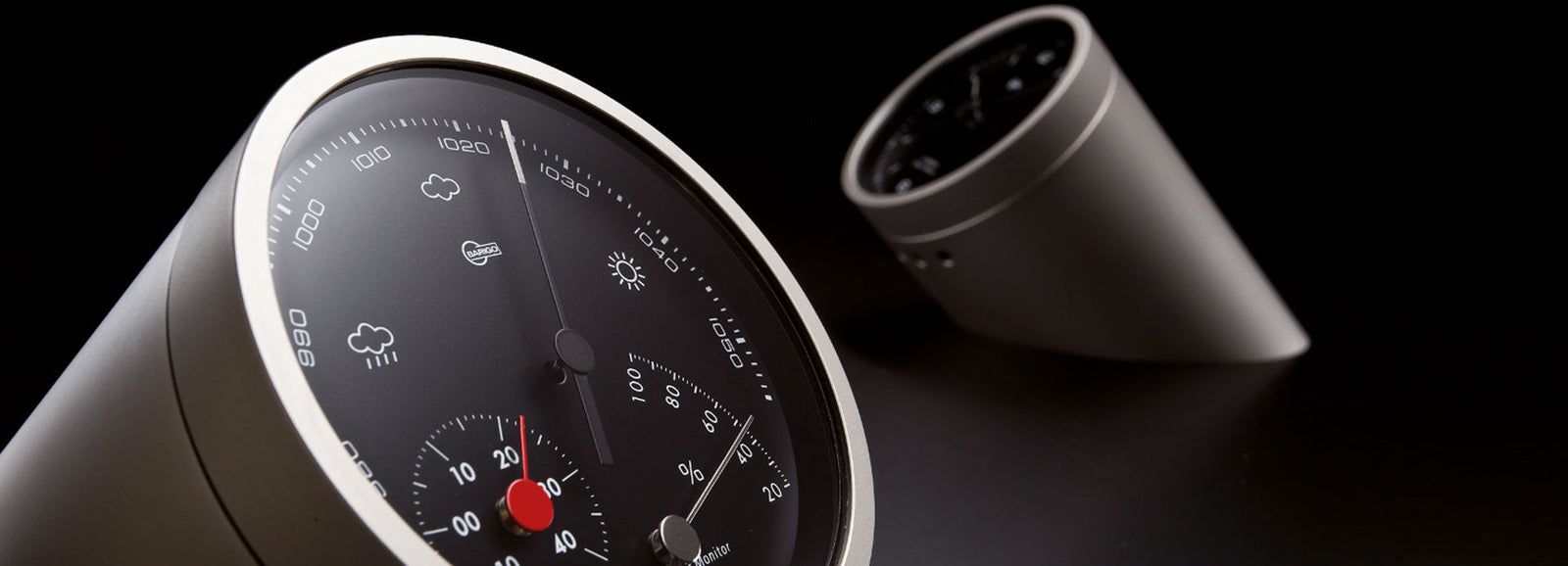
This is why our best-selling weather station combines a thermometer, hygrometer, and barometer in one precision-built instrument. It tells you the temperature, shows you the humidity level, and indicates what weather is coming next. Simple, accurate, and proven.

Temperature Gauges for the Home
A temperature gauge tells you how hot or cold it is. Useful, yes, but incomplete. Temperature alone cannot explain:
- Why the air feels heavy or sticky
- Why sleeping becomes uncomfortable
- Why condensation forms on windows
- Why timber floors and furniture start to move
This is why temperature gauges work best as part of a complete home weather station rather than on their own.
Weather Gauges for the Home
Weather gauges give context. When temperature, humidity, and pressure are read together, you gain a much clearer picture of what is happening inside your home and outside your walls. A quality weather gauge setup helps you:
- Improve indoor comfort
- Manage humidity levels
- Reduce mould and condensation risk
- Anticipate weather changes before they arrive
This is particularly valuable in coastal and high-humidity regions across Australia.

Home Barometer Weather Stations
The barometer is the part most people underestimate and later wonder how they lived without it. A barometer measures air pressure. Air pressure is what drives weather changes. Falling pressure usually means unsettled weather is coming. Rising pressure generally signals clearer conditions ahead. A home barometer weather station allows you to see those changes forming rather than being surprised by them.
Analog Home Weather Stations
Here is the part that surprises people. Analog home weather stations are often more accurate and more reliable than digital ones. They:
- Do not require batteries
- Do not suffer from sensor drift
- Do not rely on apps or connectivity
- Continue working for decades
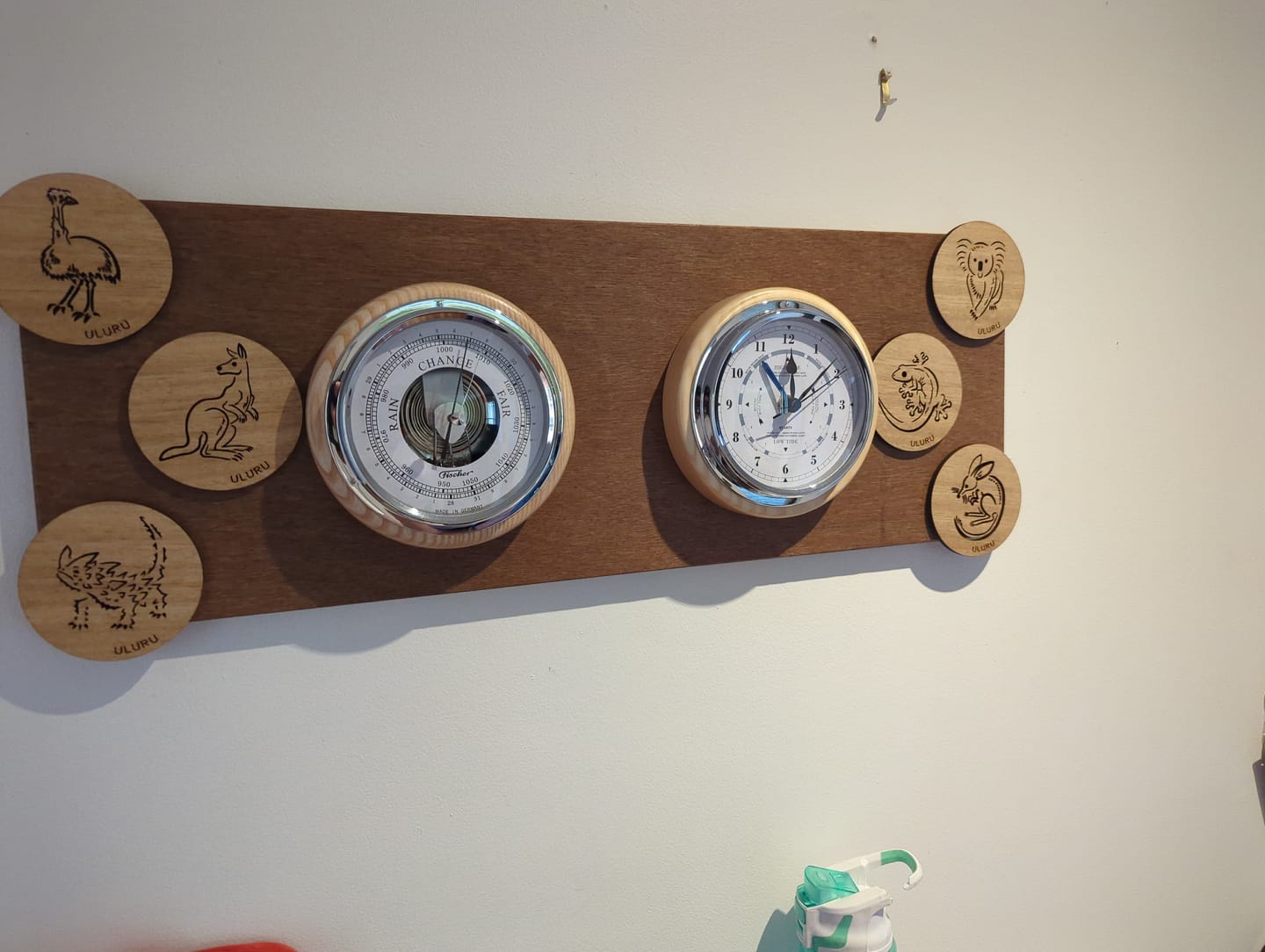
Well-made analog instruments use mechanical measurement systems that remain stable over time. This is why German-engineered weather stations are still used long after digital gadgets are discarded.

The Problem with Digital Home Weather Stations
Digital weather stations promise convenience, but in Australian conditions, they often struggle. Common issues include:
- Inaccurate humidity readings
- Outdoor sensor failure in heat and UV
- Battery dependence
- Wi-Fi dropouts and abandoned apps
- Short product lifespans
Electronics age quickly in heat and humidity. Mechanical instruments do not care.
Indoor Weather Stations
For most households, an indoor weather station provides the greatest benefit. An indoor station helps you:
- Understand comfort levels
- Manage ventilation
- Protect timber furniture and finishes
- Create healthier living spaces
Because it is mounted indoors, it is protected from extreme conditions while still delivering highly accurate readings.

Outdoor Weather Station
Outdoor weather stations are useful for specific needs such as rainfall or wind measurement. They require careful placement and ongoing maintenance. For most homes, an indoor weather station with barometric pressure provides nearly all the practical insight needed, without the complexity.
What Is the Best Type of Weather Station for Home Use?
For Australian homes, the answer is refreshingly clear. The best type of weather station for home use is a combined analog weather station featuring:
- A thermometer to measure temperature
- A hygrometer to measure humidity
- A barometer to indicate incoming weather changes
This is exactly why our customers consistently choose Fischer and Barigo weather stations. They are precision-built, German-made, suitable for indoor and sheltered outdoor use, and designed to tell the truth rather than guess.
 Checkout our best selling weatherstation by Fischer Germany - 1602-01 - Modern Indoor & Outdoor Weatherstation- 3 in 1 - Hygrometer + Barometer + Thermometer
Explore the Best Home Weather Stations in Australia
If you are looking for a home weather station that actually works, our collection features our best-selling Fischer and Barigo weather stations that combine temperature, humidity, and barometric pressure in one beautifully engineered instrument. They are suitable for indoor and outdoor use, require no batteries, and are trusted by customers who value accuracy, longevity, and clarity. Explore our full range of home weather stations here:
Because understanding the weather should not rely on an app guessing. It should rely on instruments built to read reality.



Leave a comment (all fields required)